
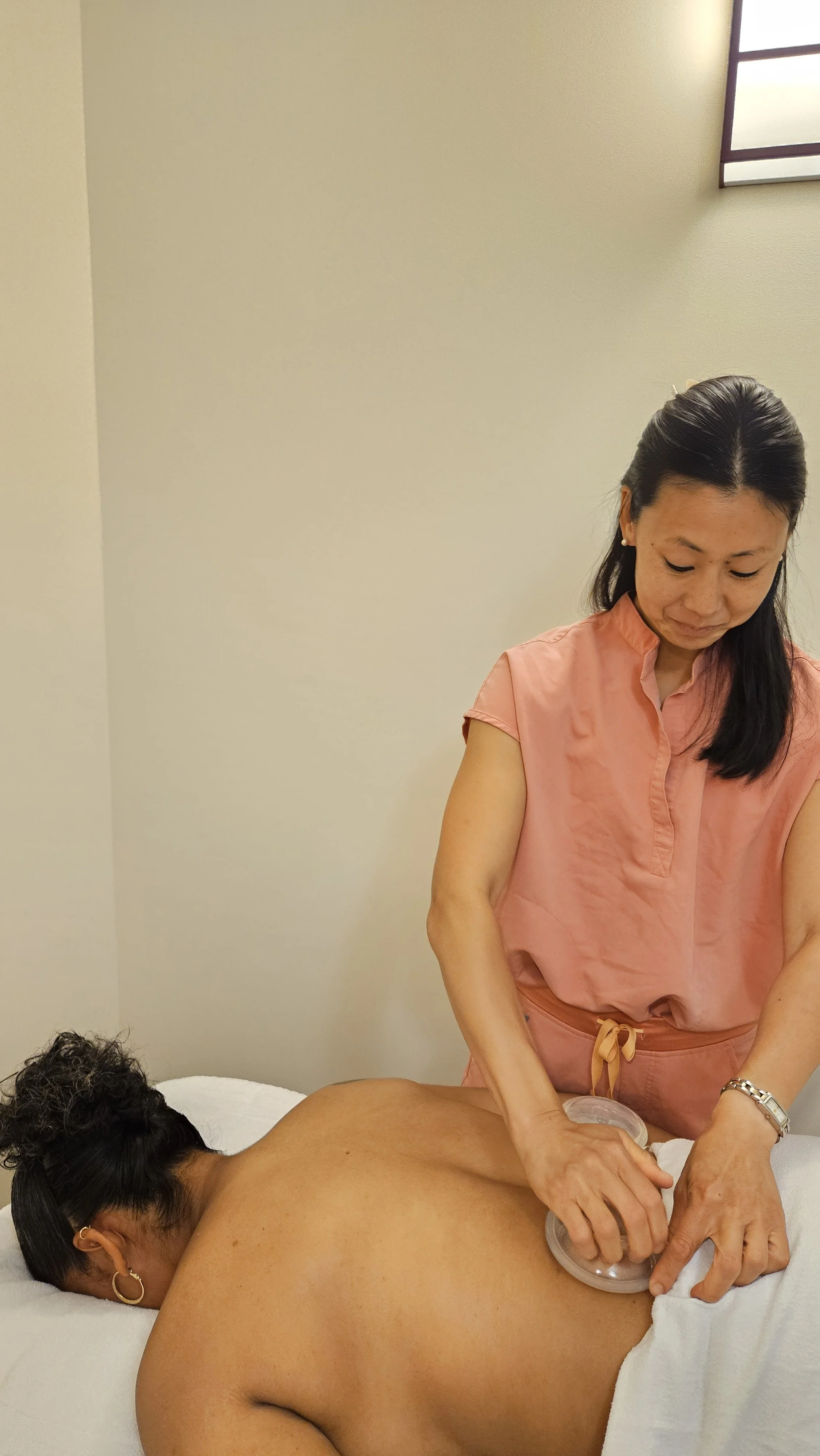
Acupuncture
Acupuncture can provide pain relief, support injury recovery, and improve your health and well-being. It is a healing system that began over 2,500 years ago and affects health at the physical, emotional, and spiritual levels. While acupuncture can be used to address a long list of symptoms and conditions, it is part of a sophisticated system of self empowerment.
Frequently Asked Questions
Q1: What do the needles do?
A1: Thin, sterile needles are strategically inserted into points and areas of the body. These points stimulate tissue such as muscles, tendons and fascia; fluids including blood, interstitial fluids, lymph, synovial fluids; nerves; and energy, also known as Qi (pronounced as “chee”).
Q2: Do the needles hurt?
A2: Rarely, but sometimes. If it is painful, this will have more to do with:
-the sensitivity of the person receiving acupuncture at that time (it can vary day to day);
-the type of stimulation the practitioner is using. For example, dry needling—also known as Trigger Point Therapy technique or Trigger Point for sports injuries—utilizes a stronger stimulation which some love or others feel is painful;
-a better point can be selected at the time (this is very personal to me as a practitioner).
The needles aren’t inherently painful as these are extremely thin and range from .10mm to .30mm in thickness (a thick strand of hair can be measured up to .20mm) and are solid in contrast to a hollow needle that is used to inject medicine or draw blood.
Q3: What does acupuncture help with?
A3: The following is a list of common complaints that acupuncture has a long track record of alleviating and supporting:
-Acute and Long-Term Physical Pain: Headaches and Migraines; Post-concussion symptoms; Neck and Back; Shoulder, Elbow, Wrist, and Hand; Tennis and Golfer’s elbow; Hip, Knee, Ankle, Foot; Sciatica, Plantar Fasciitis;
-Disturbances related to sleep such as insomnia, constant waking, disturbing dreams; PMS related symptoms such as cramps, bloating, migraines, extreme mood changes, fatigue; Menopause related symptoms such as hot flashes, irritability, digestion-related, fatigue;
-Discomfort, pain, or irregularities related to digestion (constipation, diarrhea), reproductive health, urological health, neurological conditions
-Support for habit change, mental wellness, grief, addictions, trauma, PTSD
-Support for post-surgery and tissue injury